Undergoing surgery for a femoral fracture can feel like stepping into the unknown, especially when you’re told you’ll need a device like the Intertan nail for fixation. It’s natural to have questions: What comes after surgery? How long will recovery take? What will I be able to do, and when?
The truth is, recovery from Intertan nailing fixation is a process that requires patience, dedication, and the right information. This article walks you through what to expect after the procedure, from immediate post-op care to regaining your full range of motion and independence.
Understanding Intertan Nail Fixation
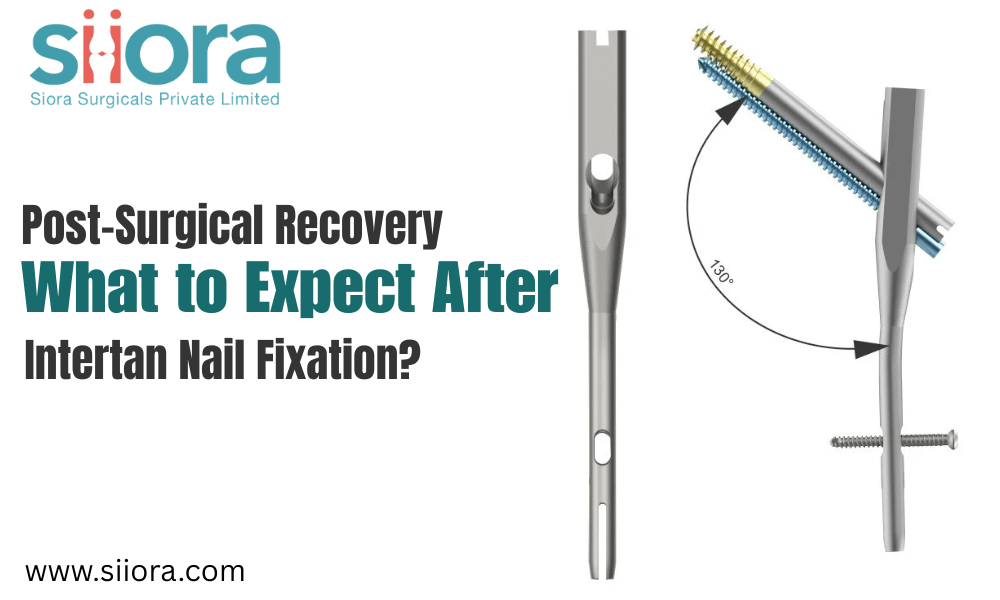
Before diving into the recovery timeline, it helps to understand what Intertan nail fixation involves. The Intertan nail is a type of intramedullary nail designed specifically for treating fractures in the upper part of the femur, particularly intertrochanteric and subtrochanteric fractures. What sets it apart is its integrated interlocking lag screws and a trapezoidal nail design that offers rotational stability and better load sharing, making it ideal for both simple and complex fractures.
The Recovery Timeline After Intertan Nailing
The First 48 Hours After Surgery
Immediately after surgery, you’ll be moved to a recovery area where your vital signs are closely monitored. Pain management begins right away, often with intravenous (IV) medications that later transition to oral painkillers. You might notice swelling and bruising around the surgical area—this is completely normal and part of the body’s natural healing process.
You’ll likely be encouraged to start moving your foot and ankle shortly after waking up to help prevent blood clots. Some patients are even encouraged to sit up or stand within the first 24–48 hours, depending on their condition and the surgeon’s advice.
Hospital Stay and Initial Physiotherapy
The average hospital stay after Intertan nail fixation ranges from 2 to 5 days. During this time, physiotherapists begin working with you on gentle exercises. These aren’t meant to challenge you physically but rather to get your body used to movement again and to prevent complications such as stiffness or muscle wasting.
One of the first major goals will be learning to walk with the help of assistive devices like a walker or crutches. Weight-bearing will depend on the type and stability of the fracture, along with how well the nail fixation was achieved. Some patients are allowed partial weight-bearing early on, while others may need to wait several weeks.
Recovery at Home: Weeks 1–6
Once you’re home, sticking to the physiotherapy routine is crucial. You’ll continue to work on range-of-motion exercises and may begin strengthening routines for the quadriceps and glutes. Your mobility will gradually improve, and you might be advised to transition from a walker to a cane, depending on your progress.
During this phase, it’s important to maintain a nutritious diet rich in calcium and protein to support bone healing. Keep the surgical site clean and dry, watch for signs of infection (such as redness, unusual swelling, or fever), and attend all follow-up appointments to track bone healing via X-rays.
3 Months and Beyond: Regaining Independence
By the three-month mark, many patients can walk with minimal support and experience a significant reduction in pain. Physical therapy usually becomes more intensive, focusing on balance, coordination, and strengthening exercises tailored to your lifestyle and recovery goals.
That said, every case is different. Some people return to their normal activities in as little as four months, while others, especially older adults or those with complex fractures, may take longer. Full recovery, meaning bone union and return to full activity levels, may take 6 to 12 months.
A Word on Emotional Recovery
Physical healing is only half the journey. It’s not uncommon to feel frustrated or discouraged during recovery. Be patient with yourself. Stay connected with family, follow your medical team’s guidance, and don’t hesitate to seek mental health support if you need it.
In Summary
Recovering from Intertan nail fixation isn’t just about healing a bone; it’s about reclaiming your independence, step by step. With guided rehabilitation, a supportive environment, and a clear understanding of what to expect, most patients make a strong and lasting recovery. Remember, the body heals best when the mind is calm, the spirit is strong, and the process is respected.If you are looking to be a distributor of high-quality and international standard orthopedic implants like Intertan Nailing System in the USA, connect with Siora Surgicals Pvt. Ltd. Having established its distributor base in over 50 countries, the company is seeking a reliable distributor of orthopedic implants in USA to expand its international market reach.
 What is the Difference Between Cortical and Cancellous Screws
Leave a comment