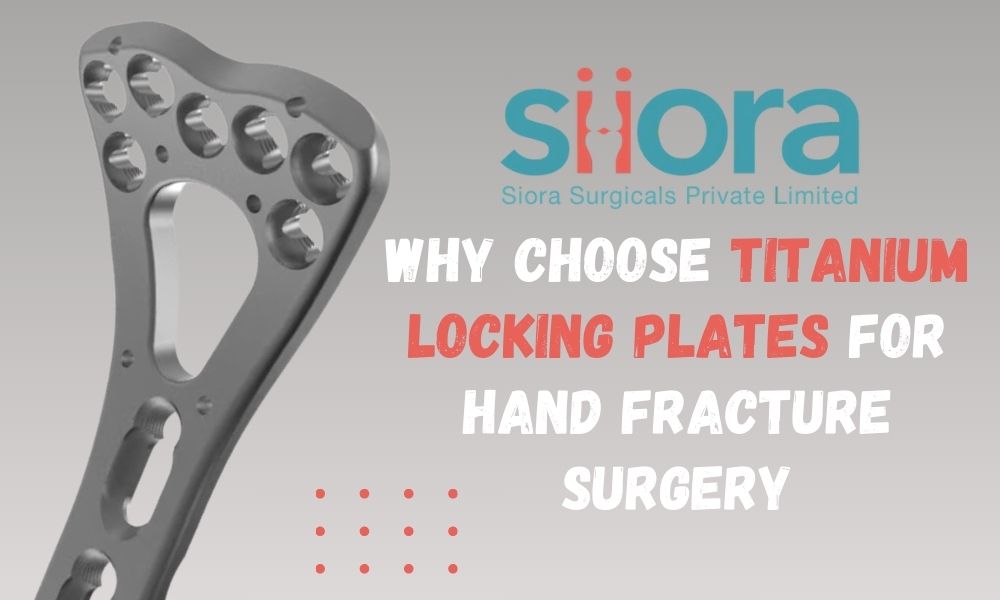
Hand fractures can significantly impact daily life, limiting mobility and causing considerable discomfort. Whether caused by an accident, a sports injury, or a fall, these fractures often require surgical intervention to restore functionality. Among the advanced treatment options available, titanium locking plates for hand surgery have emerged as a highly effective solution for repairing hand fractures. But what makes them the preferred choice for surgeons and patients alike? Let’s explore the key reasons.
Superior Strength and Durability
Titanium is renowned for its exceptional strength-to-weight ratio. Unlike other metals, it provides the necessary support for fractured bones without adding excessive weight to the hand. This property ensures that titanium locking plates can withstand the mechanical stress of daily hand movements, aiding in a more stable and reliable recovery process. Additionally, titanium is resistant to corrosion, which enhances its durability and long-term performance inside the human body.
Biocompatibility and Reduced Risk of Rejection
Biocompatibility is the top feature of titanium. The material is biocompatible and reduces the risk of adverse reactions and implant rejection. Titanium’s non-reactive nature ensures that it integrates seamlessly with the surrounding tissues and bones, promoting faster and more efficient healing. This makes it a safer choice for patients who may have sensitivities or allergies to other metals.
Enhanced Healing Through Locking Mechanism
The innovative design of titanium locking plates includes a locking mechanism that offers several advantages over traditional fixation methods. In conventional plating systems, screws apply compression to hold the plate against the bone. While effective, this method can sometimes compromise blood flow to the fracture site, potentially delaying healing.
Titanium locking plates, on the other hand, allow screws to lock directly into the plate, creating a fixed-angle construct. This design minimizes the risk of screw loosening and provides greater stability, even in osteoporotic or fragile bones. Importantly, the locking mechanism helps preserve the periosteum—the outer layer of bone tissue—which is essential for blood supply and healing.
Lightweight and Comfortable
Given the intricate structure of the hand and the necessity for precision in movement, the lightweight nature of titanium is a significant advantage. Patients often report less discomfort and a more natural feel when titanium plates are used. This can contribute to better post-surgery satisfaction and an improved overall experience during the recovery process.
Customizable and Versatile Designs
Titanium locking plates come in a variety of shapes and sizes, making them adaptable to the complex anatomy of the hand. Surgeons can choose plates that match the specific fracture pattern and bone structure of each patient, ensuring a personalized approach to treatment. This versatility enhances surgical outcomes by providing a precise fit and optimal support for the healing bone.
Minimal Imaging Artifacts
Another notable benefit of titanium is its compatibility with medical imaging techniques. Unlike some other metals, titanium produces minimal artifacts in X-rays, CT scans, and MRIs. This property allows doctors to monitor the progress of bone healing with greater accuracy, facilitating timely adjustments to the treatment plan if needed.
Long-Term Safety and Reliability
For patients who require permanent implants, titanium locking plates offer a reliable solution. Their resistance to wear and deformation ensures that they remain effective over time, reducing the likelihood of additional surgeries. Even in cases where implant removal is necessary, the biocompatibility of titanium simplifies the procedure and minimizes complications.
Cost-Effectiveness in the Long Run
While titanium implants may have a higher upfront cost compared to other materials, their long-term benefits often make them more cost-effective. Faster healing, fewer complications, and reduced need for follow-up surgeries contribute to overall savings for both patients and healthcare systems.
Conclusion
Choosing the right treatment for a hand fracture is crucial to achieving a successful recovery. Titanium locking plates offer a combination of strength, biocompatibility, and innovative design that makes them a superior choice for hand fracture surgery. By providing stable fixation, promoting efficient healing, and ensuring patient comfort, these plates have revolutionized the way hand fractures are treated. Whether you’re a patient seeking the best care or a medical professional aiming for optimal outcomes, titanium locking plates stand out as a reliable and effective solution.
For a world-class range of locking plates, contact Siora Surgicals Pvt. Ltd., a standout manufacturer and supplier of trauma implants in India. The company is also looking to establish itself as one of the leading orthopedic equipment manufacturers in USA.
 What is the Difference Between Cortical and Cancellous Screws
Leave a comment